HIPAA Compliance Checklist for 2025

AI agents are becoming part of everyday enterprise workflows, from automating business processes to handling customer interactions and accessing internal systems. As adoption grows, organizations need a way to discover these agents, understand their access, track their activity, and manage the risks they introduce.
The challenge is that agents are created across multiple environments, including Copilot Studio, Salesforce Agentforce, low-code platforms, and custom frameworks. Without centralized oversight, organizations can lose track of agent ownership, permissions, and lifecycle changes.
AI agent governance platforms help address these challenges. This guide compares seven platforms based on their ability to manage the AI agent lifecycle, from discovery and access governance to monitoring and retirement.
1. What Are the 7 Best AI Agent Governance Platforms in 2026?
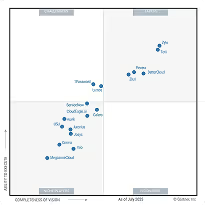
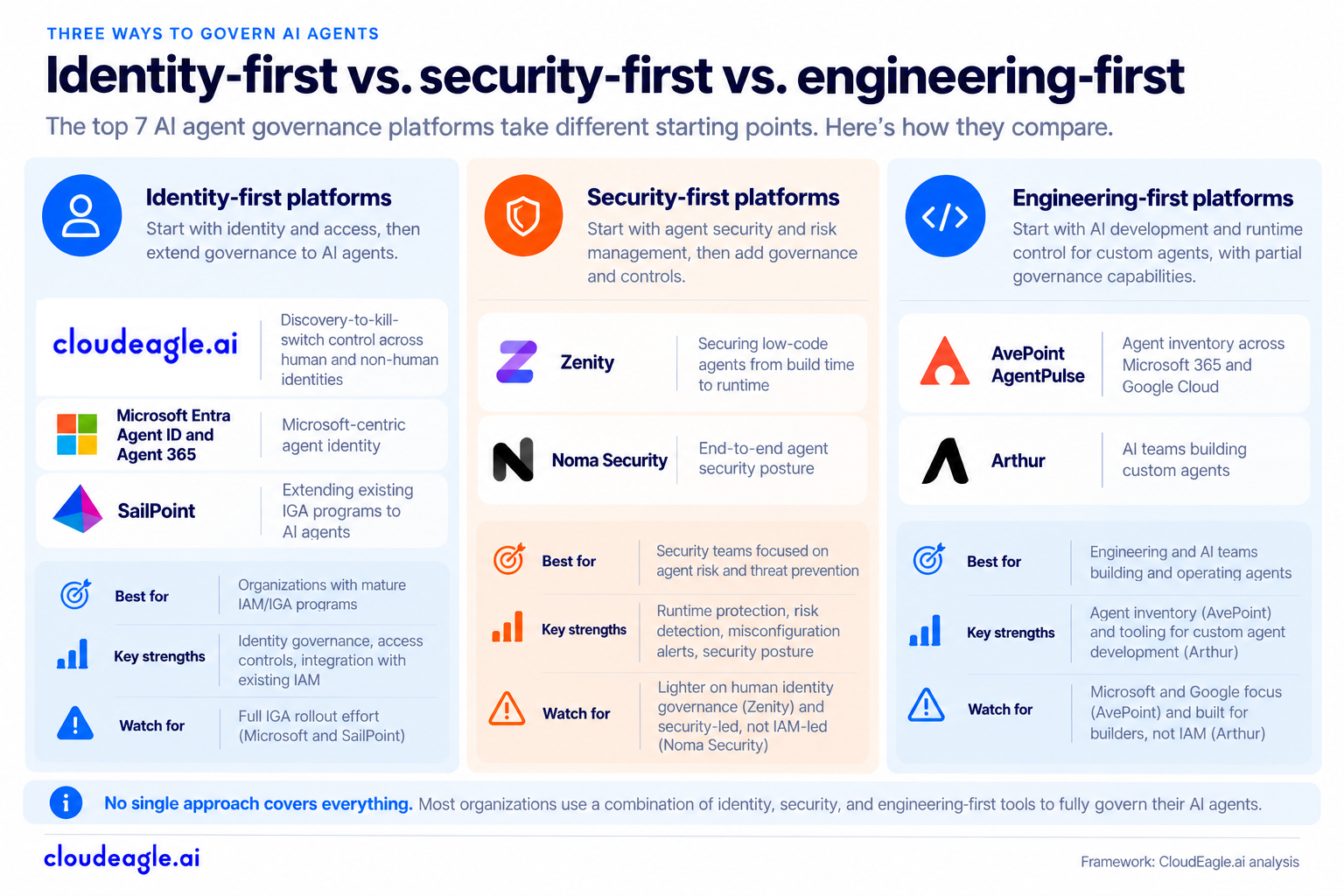
The best AI agent governance platforms in 2026 are CloudEagle.ai, Microsoft Entra Agent ID and Agent 365, SailPoint, Zenity, Noma Security, AvePoint AgentPulse, and Arthur. They differ most in whether they start from identity, security, or AI engineering.
We left out LLM gateways and evaluation tools. They control live agent traffic, but they don't handle discovery, ownership, or offboarding.
2. How Did We Evaluate These Platforms?
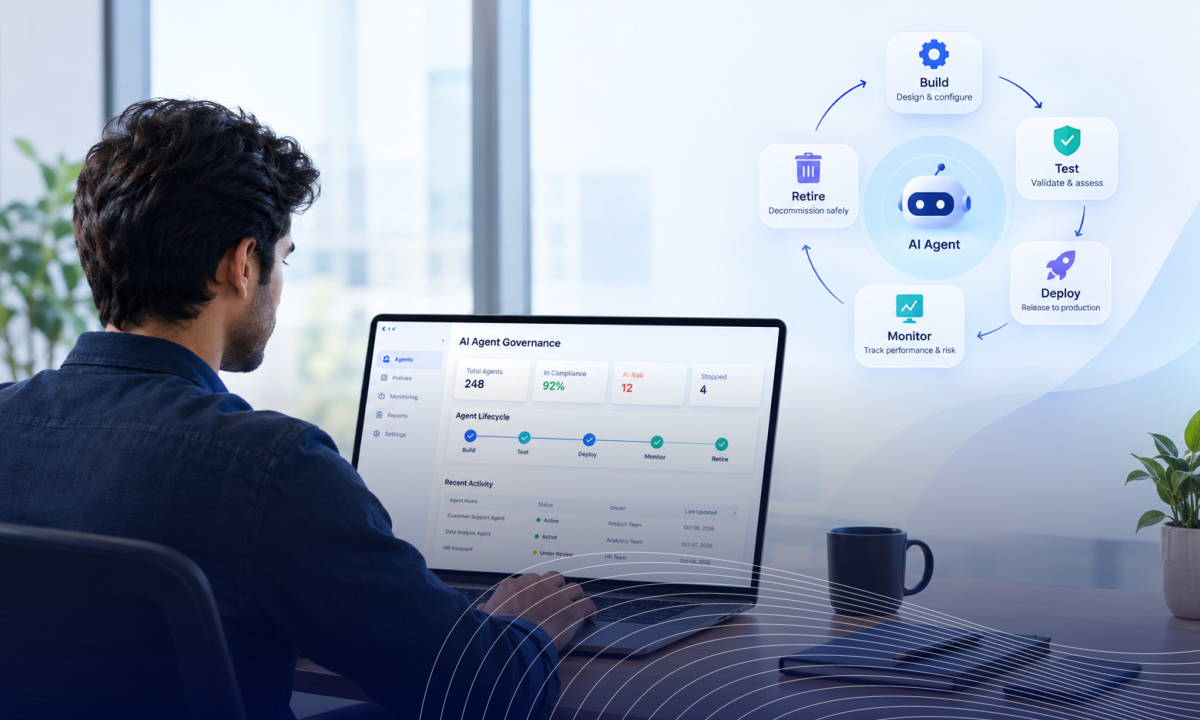
We scored each platform on how well it covers the six stages of the AI agent lifecycle:
- Discovery: does it find agents nobody registered?
- Ownership: does it tie each agent to a named human?
- Access: can it show and cut back what each agent can reach?
- Monitoring: does it record what agents actually do?
- Review: can agents go through access reviews like employees?
- Retirement: can it revoke, deactivate, or reassign an agent when its job or owner is gone?
We used published product pages, vendor announcements, and documentation, not paid rankings.
Worth a Read: Why Your AI Agents End Up With More Access Than Your Security Team
3. Which AI Agent Governance Platforms Cover the Full Lifecycle?
The platforms that cover the full lifecycle connect discovery to action. They find the agent, show its owner and access, and let you fix or stop it from the same place.
Most tools on this list cover some stages deeply and others lightly.
1. CloudEagle.ai: Best for Discovery-to-Kill-Switch Control Across Human and Non-Human Identities
Your teams build agents faster than anyone can track them. Each one keeps its access after its builder moves on.
Find Every Agent. Name Every Owner. Stop Any Agent.
"As our identity environment expanded, governing non-human identities became just as important as managing human access. CloudEagle.ai gave us visibility into service accounts, API tokens, and AI agents, helping increase NHI visibility, remediate unmanaged identities, and reduce overprivileges, helping us govern NHI, the same way we did for people."
Karthik Swarnam, Chief Security and Trust Officer, Armorcode
CloudEagle.ai is the control plane for enterprise AI. Our agent security platform governs every agent in the same place as your people, service accounts, and SaaS apps, backed by 500+ direct integrations. Read this case study to see how Armorcode raised NHI visibility from 40% to 95%.
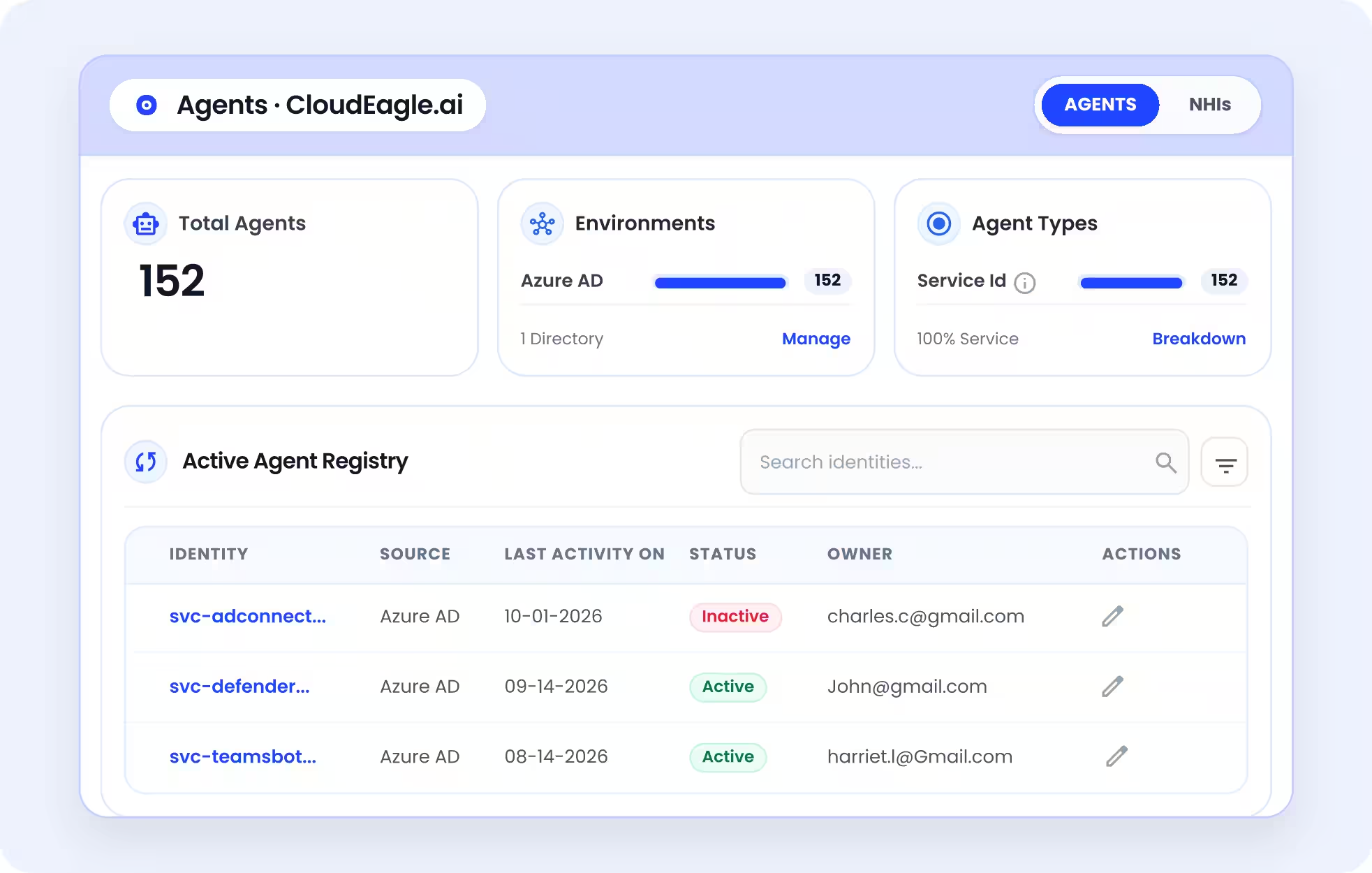
Find Every Agent, Registered or Not
- We read machine identities from Microsoft Entra ID, Okta, and your connected apps, so agents appear whether or not anyone registered them.
- Each agent sits in one inventory with its status, credentials, and owner.
- We flag agents that are inactive for 90+ days, hold admin permissions, or have no owner.
Cut Every Agent Back to Least Privilege
- See every app and data source an agent connects to, down to the role it holds.
- Revoke roles an agent doesn't need, including access it has never used.
- Catch agents still holding access after their owner has left.
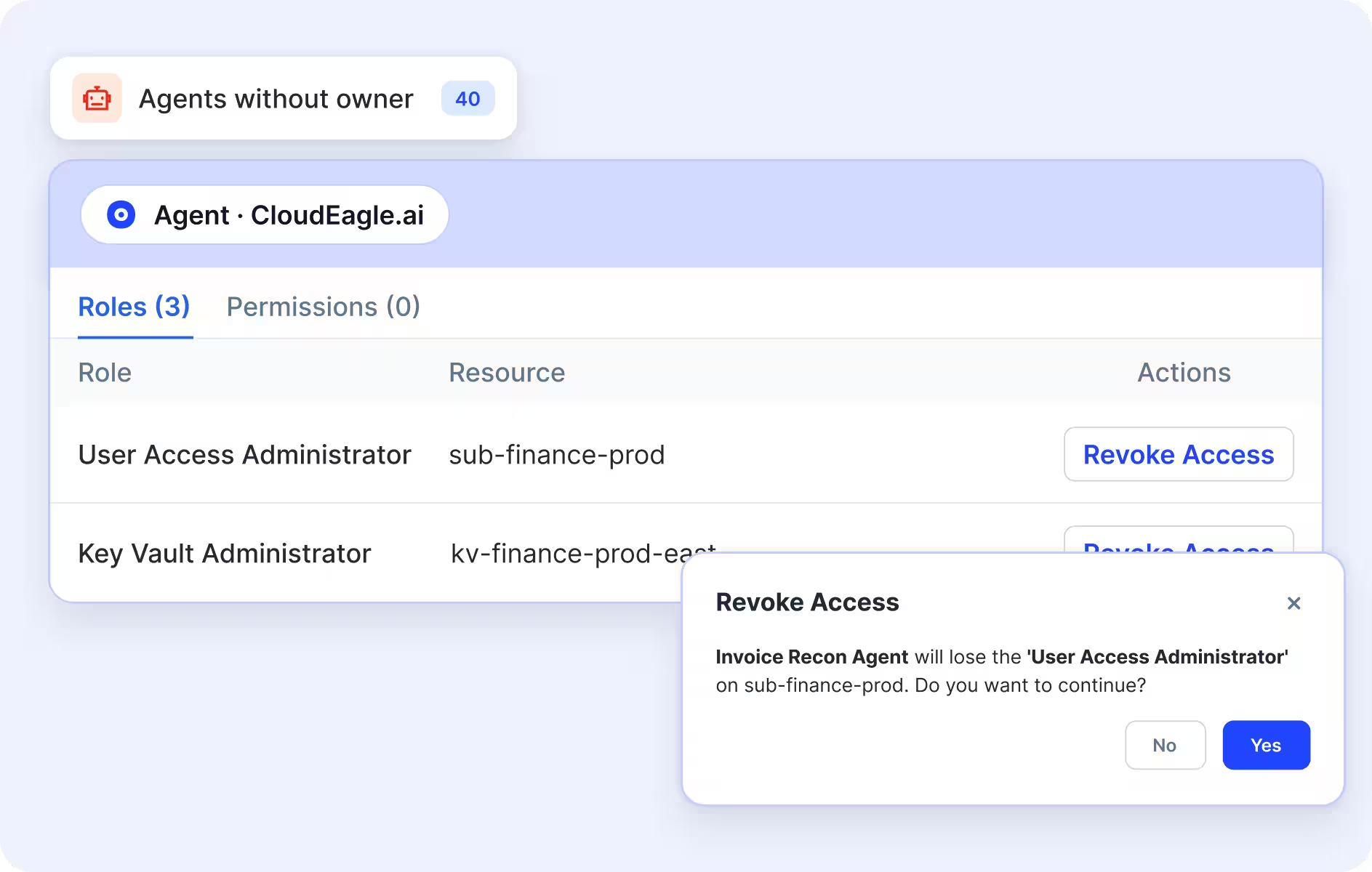
Stop a Risky Agent and Prove It
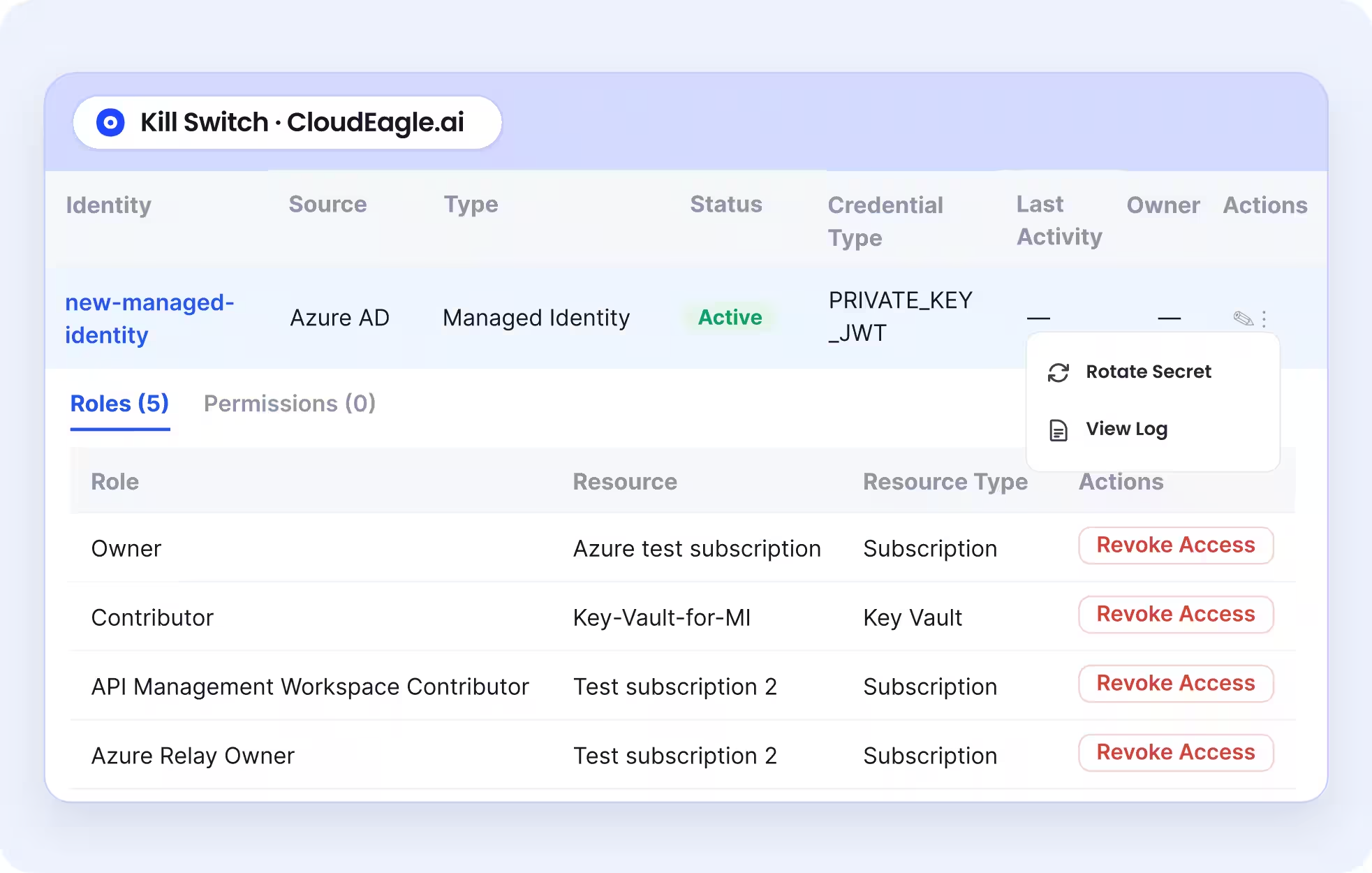
- One kill switch revokes a role, rotates a secret, or deactivates the agent's identity.
- Activity logs show what each agent did, changed, and touched, traced back to its owner.
- Admins decide every action, and every action is logged in audit-ready logs.
Pricing: Module-based, custom quote. Free trial available.
Best for: Security and IAM teams that want agents governed in the same platform as human identities and SaaS access.
Govern Every AI Agent From Discovery to Retirement.


2. Microsoft Entra Agent ID and Agent 365: Best for Microsoft-Centric Agent Identity
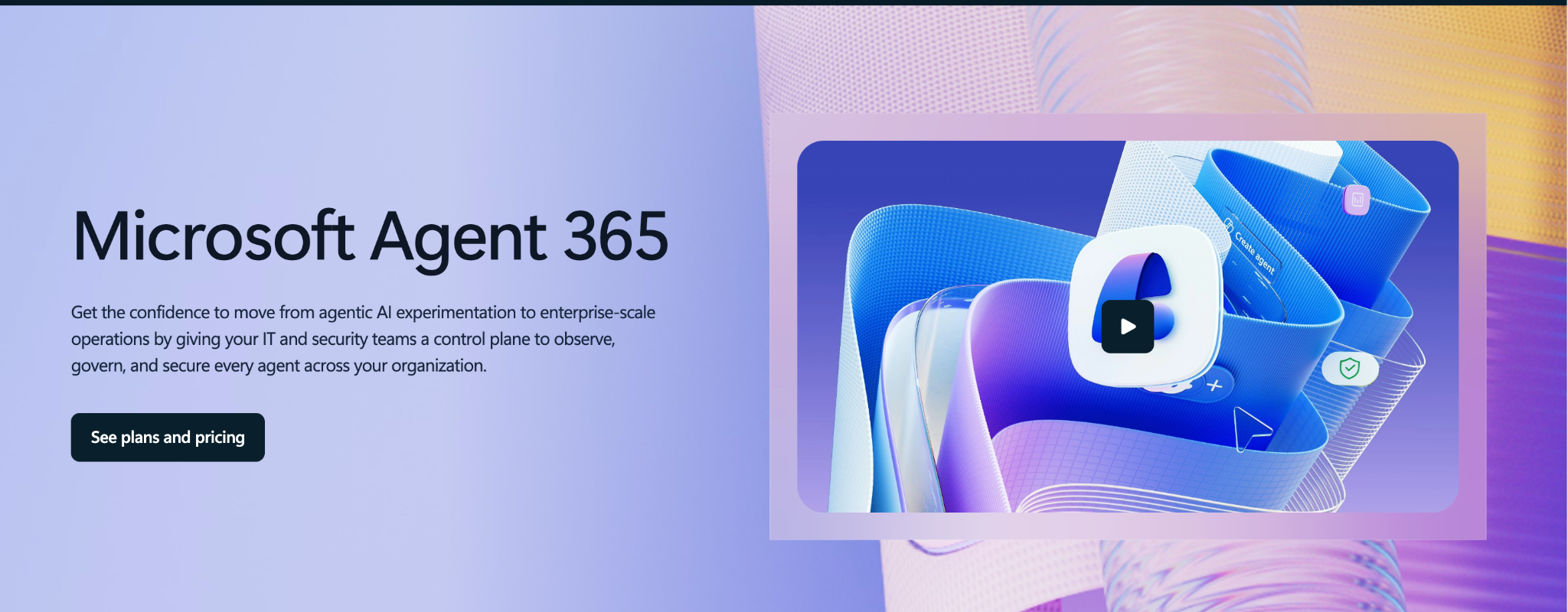
Agent 365 gives each agent its own Microsoft Entra Agent ID for identity, lifecycle, and access management.
Agents can then be observed and managed from the Microsoft 365 admin center. Microsoft has folded its agent registry into Agent 365 as the single catalog.
Pros
- Native identity for every Microsoft-built agent.
- Conditional Access and ID Protection extend to agents.
Cons
- Strongest on agents built in Microsoft's ecosystem. Visibility into agents built elsewhere needs testing before you rely on it.
- Advanced agent security features need Agent 365 or Microsoft 365 E7 licensing.
Pricing: Agent 365 is $15 per user per month, covering agents that act on behalf of licensed users. Also included in Microsoft 365 E7.
Best for: Microsoft-first organizations whose agents mostly live in Copilot Studio and Foundry.
3. SailPoint: Best for Extending Existing IGA Programs to AI Agents
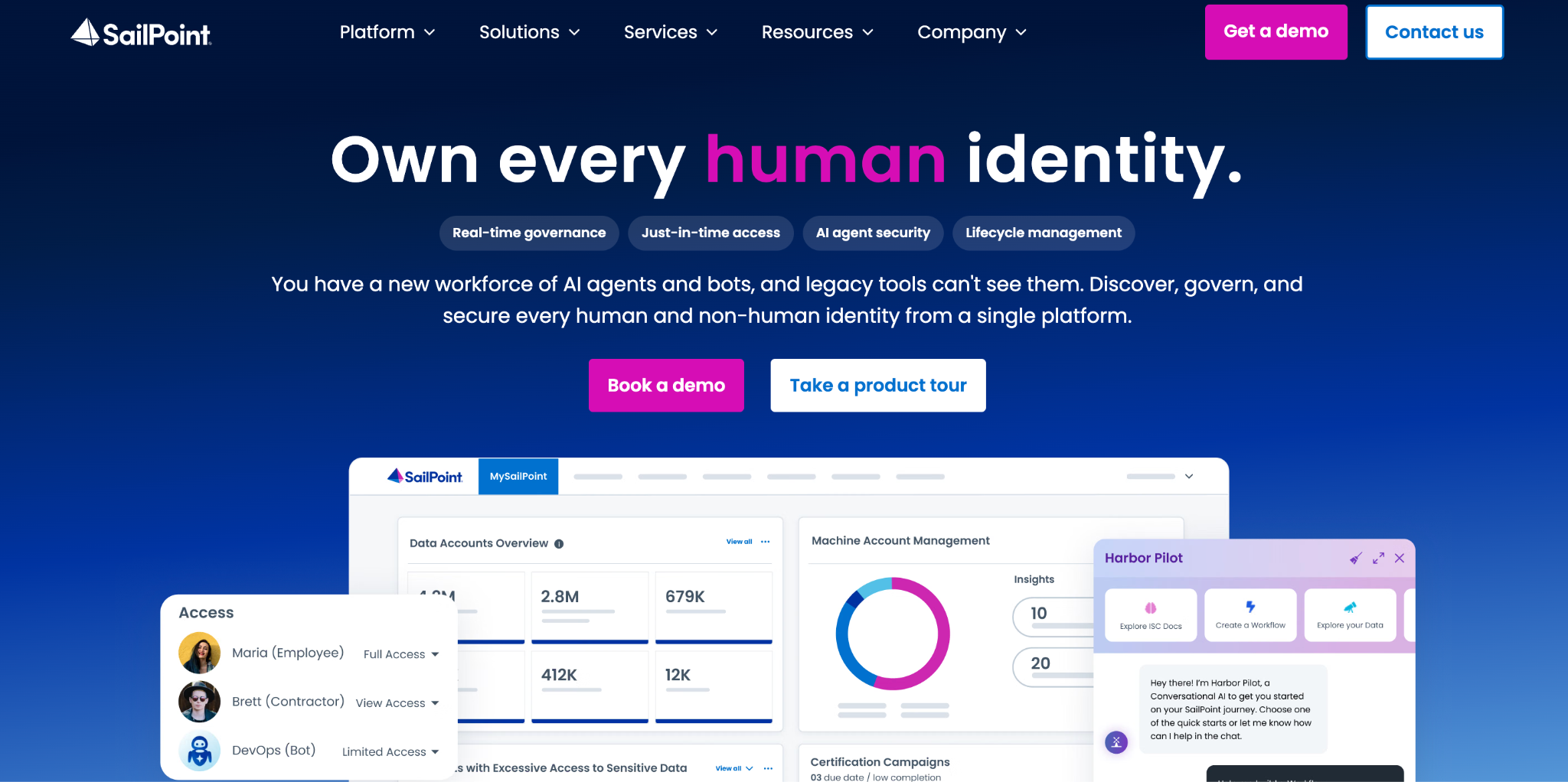
SailPoint's Agentic Fabric, generally available since August 2026, brings AI agents into the same identity security platform as human users and machine accounts.
Connectors cover platforms including Microsoft 365 Copilot, Salesforce Agentforce, Amazon Bedrock, and Google Vertex AI.
Pros
- Endpoint and browser sensors find hidden agents, credentials, and MCP servers.
- Automated ownership rules and a central switch to disable agents.
- Natural fit for teams already running SailPoint for employees.
Cons
- A full enterprise IGA program. Rollout effort and cost suit large identity teams more than lean ones.
Pricing: Custom quote; not publicly listed.
Best for: Large enterprises already standardized on SailPoint for identity governance.
4. Zenity: Best for Securing Low-Code Agents From Build Time to Runtime
Zenity started in low-code security and now covers AI agents across SaaS, endpoint, and cloud.
It works inside Microsoft Copilot Studio to apply guardrails while agents are built and to block attacks while they run.
Pros
- AI security posture management catches risky agent configurations early.
- Runtime detection and inline prevention for Copilot Studio agents.
Cons
- Security-led. Ownership, access reviews, and offboarding for human identities sit with your IAM tools.
Pricing: Custom quote; not publicly listed.
Best for: Security teams governing citizen-built agents in Copilot Studio and other low-code platforms.
5. Noma Security: Best for End-to-End Agent Security Posture
Noma Security combines AI security posture management, application security, governance, and dedicated agent security in one platform.
It scans AI environments across cloud, code repositories, and agent development platforms.
Pros
- Broad AI and agent security coverage in a single product.
- Built for organizations running AI at very high volume.
Cons
- Security-led rather than IAM-led. Teams will still need identity tooling for owner assignment and offboarding.
Pricing: Custom quote; not publicly listed.
Best for: Security teams that want one platform for AI and agent risk across the build pipeline.
6. AvePoint AgentPulse: Best for Agent Inventory Across Microsoft 365 and Google Cloud
AgentPulse Command Center gives IT one view of agents across Copilot Studio, Microsoft Foundry, SharePoint agents, and Google Vertex AI.
It tracks agent creation, usage, and data access, with cost controls for pay-per-use AI services.
Pros
- Cross-tenant inventory for Microsoft and Google agents.
- Usage and cost tracking alongside governance.
Cons
- Coverage centers on Microsoft and Google. Agents built elsewhere need another tool.
Pricing: Offered in AvePoint's Control Plus bundle. Custom quote.
Best for: Organizations already using AvePoint for Microsoft 365 data governance.
7. Arthur: Best for AI Teams Building Custom Agents
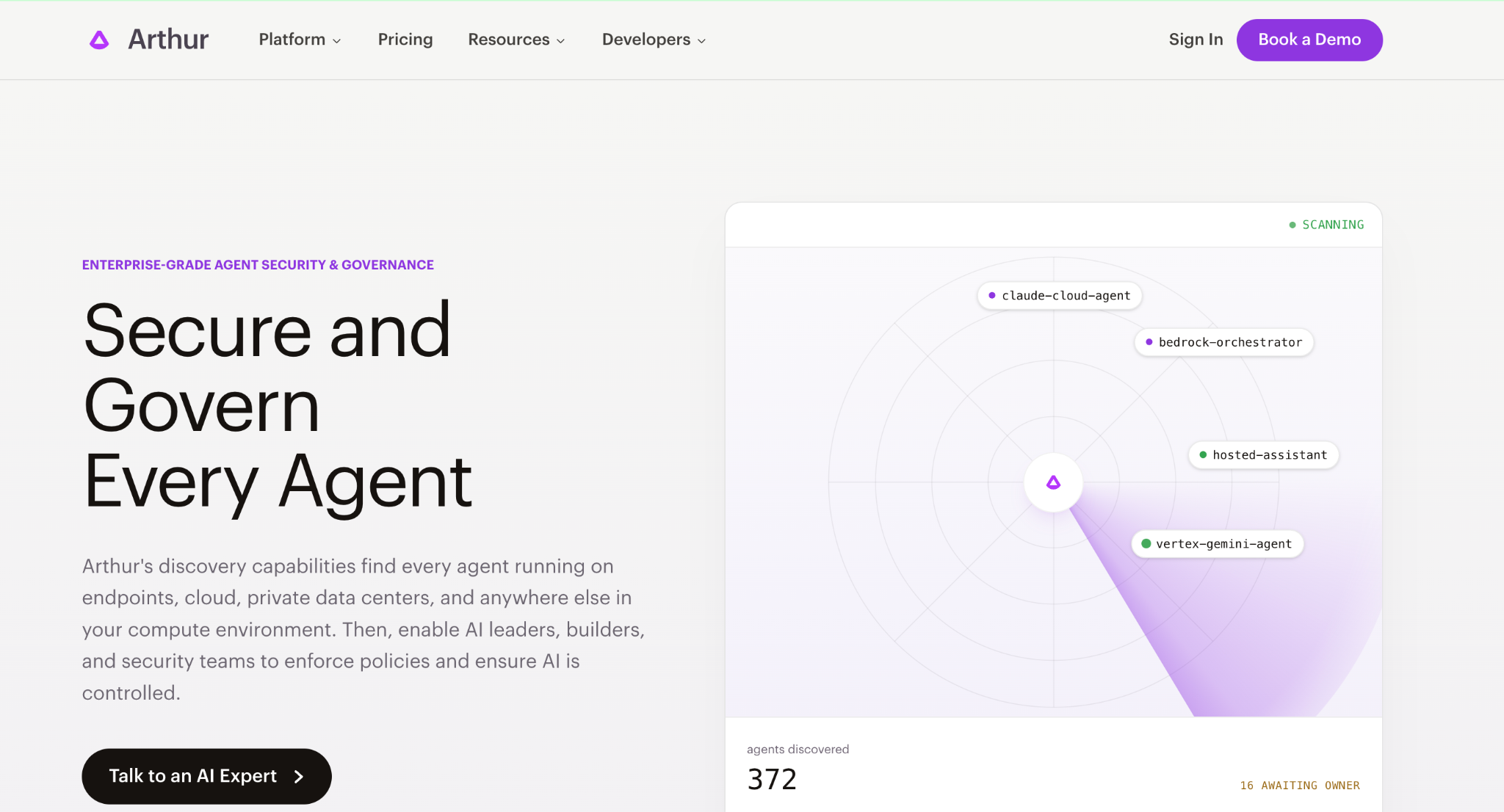
Arthur's Agent Discovery and Governance platform launched in December 2025. It builds on Arthur's evaluation, guardrail, and observability tools.
It integrates with Google Vertex AI, AWS Bedrock, and Microsoft Foundry.
Pros
- Evaluates agents on real tasks before they reach production.
- Open-source evaluation tools offer a free starting point.
Cons
- Built for AI engineering teams, not IAM. Lighter on ownership, access reviews, and offboarding.
Pricing: Custom pricing for the enterprise platform. Open-source tools are free.
Best for: AI and ML teams shipping custom agents on cloud AI platforms.
4. What Does the AI Agent Lifecycle Look Like?
The AI agent lifecycle runs from the moment an agent is created to the day it's retired. Governance has to cover every stage in between.
Skip one, and you leave a gap.
The Six Stages: Discovery, Ownership, Access, Monitoring, Review, and Retirement
Where Lifecycle Governance Breaks: Ownerless and Orphaned Agents
Picture this. A sales ops manager builds an agent on a Friday. She changes roles in March. In June, it's still running with every permission she gave it.
Most lifecycle failures happen at that handoff. That offboarding gap is why ownership and retirement matter as much as discovery.
5. How Do You Choose an AI Agent Governance Platform?
Choose by the lifecycle stage you can't cover today. If you can't find agents, start with discovery depth. If you can find them but can't name owners or cut access, start with identity.
Ask every vendor what happens after an agent is found.
Discovery of Unregistered Agents
The best platforms read agents from identity providers and connected apps rather than relying on teams to register them. Ask how the platform handles agents built outside its home ecosystem.
Pair agent discovery with shadow AI discovery, since unapproved tools are often where unapproved agents start.
Owner and Credential Mapping
Every agent should appear next to its owner, its credentials, and the roles it holds. Without that, you can find an agent but not decide what to do about it.
Treat agent identities as identities, with the same records you keep for people.
Remediation, Not Just Reporting
A dashboard that flags a risky agent but can't act on it adds a ticket, not a fix.
Look for revocation, secret rotation, and deactivation from the same view, with every action logged.
One Model for Human, Machine, and SaaS Access
Separate tools for employees, service accounts, and agents create gaps between them. One governance model applies the same ownership, review, and offboarding rules to all three.
See how identity governance now fits into SaaS management.
Govern the Full AI Agent Lifecycle With CloudEagle.ai
The best AI agent governance platforms don't stop at discovery. They tie every agent to an owner, cut its access to the job, and give you a way to stop it when the job ends. That is how you govern the AI agent lifecycle.
CloudEagle.ai is the control plane for enterprise AI. We govern agents in the same platform as your people, service accounts, and SaaS apps, with one inventory, a kill switch your admins control, and audit-ready logs. See how it works in our agent governance walkthrough.
Don't let an orphaned agent find your gaps first. Watch this webinar or book a demo.
Frequently Asked Questions
- What Is AI Agent Lifecycle Management?
AI agent lifecycle management governs an agent from creation to retirement: discovery, ownership, access, monitoring, review, and offboarding. It makes sure no agent keeps access longer than its job or its owner. The AI agent lifecycle ends only when access is gone.
- What Is an AI Agent Kill Switch?
A kill switch is one place to stop a risky agent by revoking its roles, rotating its secrets, or deactivating its identity. Good kill switches show the agent's owner and access first, because disabling the wrong identity can break critical systems.
- Is AI Agent Governance the Same as Non-Human Identity Management?
They overlap. NHI management covers service accounts, API tokens, and the credentials behind agents. AI agent governance focuses on the agents themselves: where they were built, what they can reach, and who owns them.
- Can Native Tools Like Microsoft Entra Govern Agents on Other Platforms?
Native tools govern agents best within their own ecosystem. Most enterprises build agents across several platforms, so they need a cross-platform inventory alongside native controls. That is why AI agent governance platforms matter.
- How Often Should AI Agents Be Reviewed?
Review high-risk agents, such as those with admin rights or access to sensitive data, at least monthly. Lower-risk agents can follow your standard access review cadence. Any change in owner or permissions should trigger a review.
Govern Every AI Agent From Discovery to Retirement.