Non-Human Identity Management
Govern Every Machine Identity Before It Becomes a Risk
Discover every AI agent and non-human identities in your environment, analyze the access they hold, and eliminate hidden security risks before they become incidents.
.jpg)






From Unowned Credentials to Governed Identities
Imagine: A service account created three years ago for an integration nobody remembers still holds admin permissions. It hasn't been used in 90 days. Nobody owns it. Nobody's watching it.
Without CloudEagle.ai
With CloudEagle.ai
Nobody Can Say Where The Tokens Are Going

Prevent Hidden Identities From Becoming Security Risks
One Automated Registry, Across Every Environment
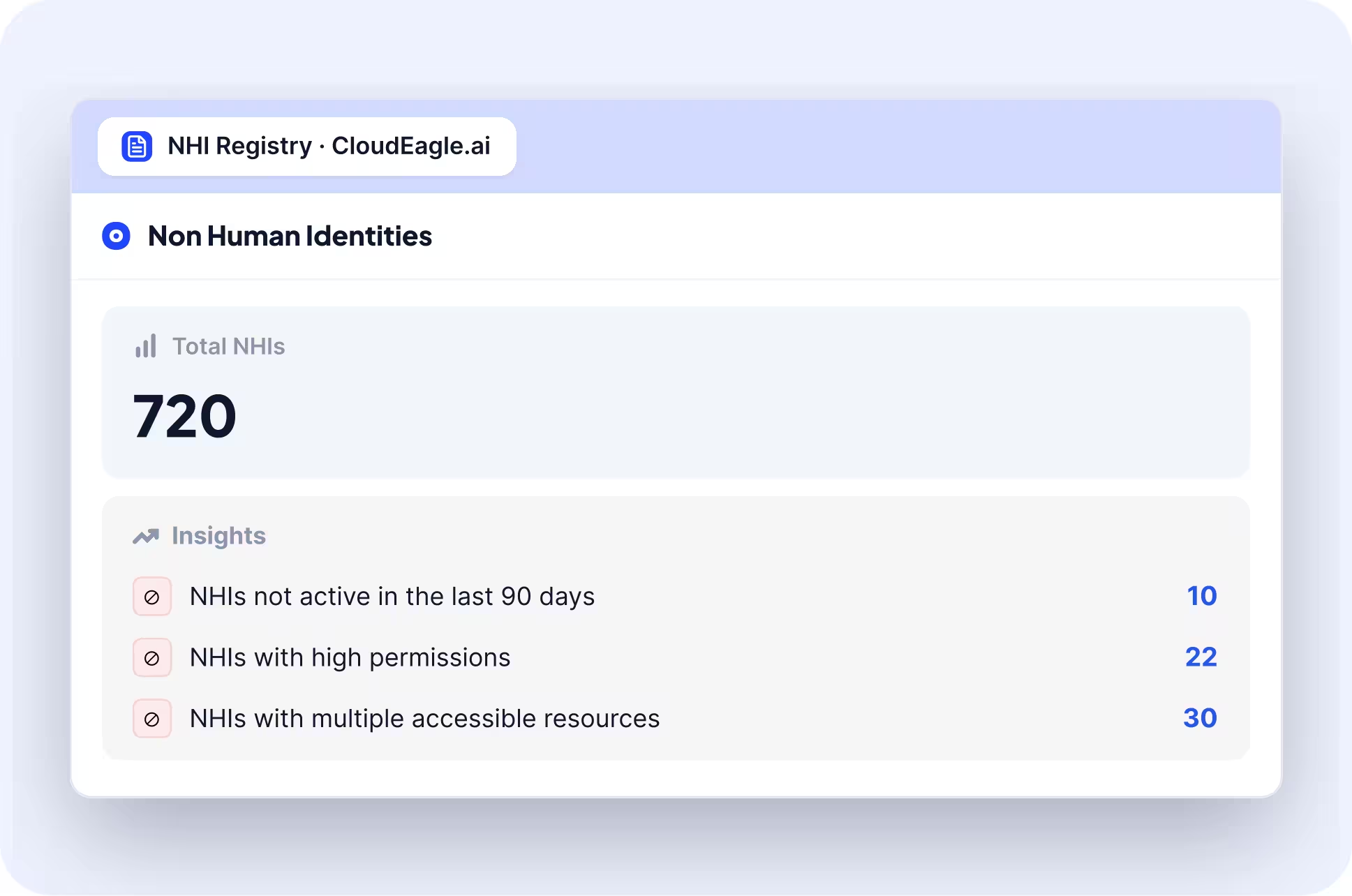
- Discovers NHIs across Azure AD and Okta, no manual inventory required
- Breaks down identities by type: managed identities, service identities, OAuth service apps, API tokens
- Shows environment distribution so you know where machine access concentrates
Surface the Identities That Actually Carry Risk
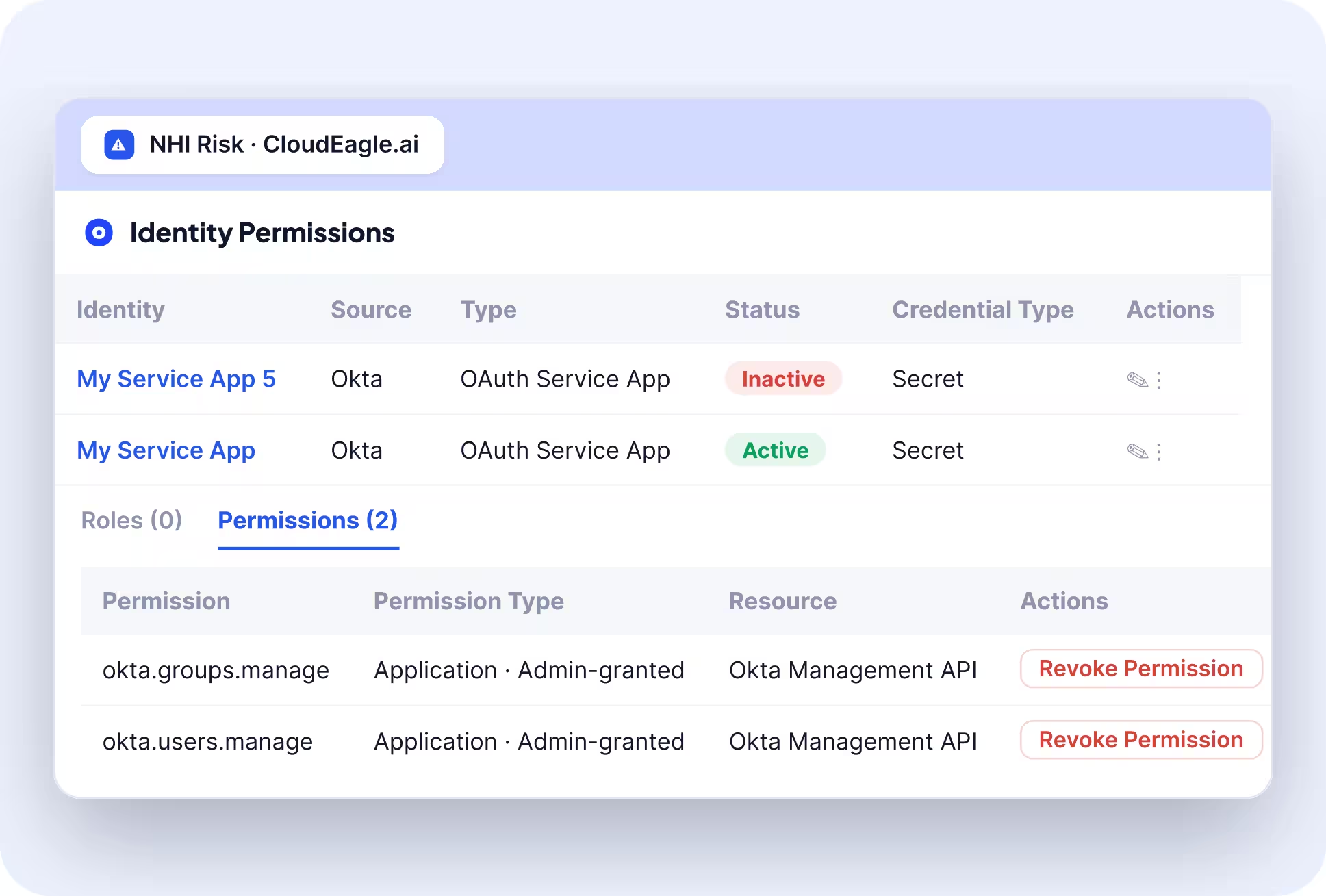
- Flags non-human identities with no activity in the last 90 days
- Flags NHIs holding admin permissions
- Flags NHIs with access to multiple resources
- Prioritizes by risk so teams act on real exposure, not inventory volume
Know Who Owns Every Identity
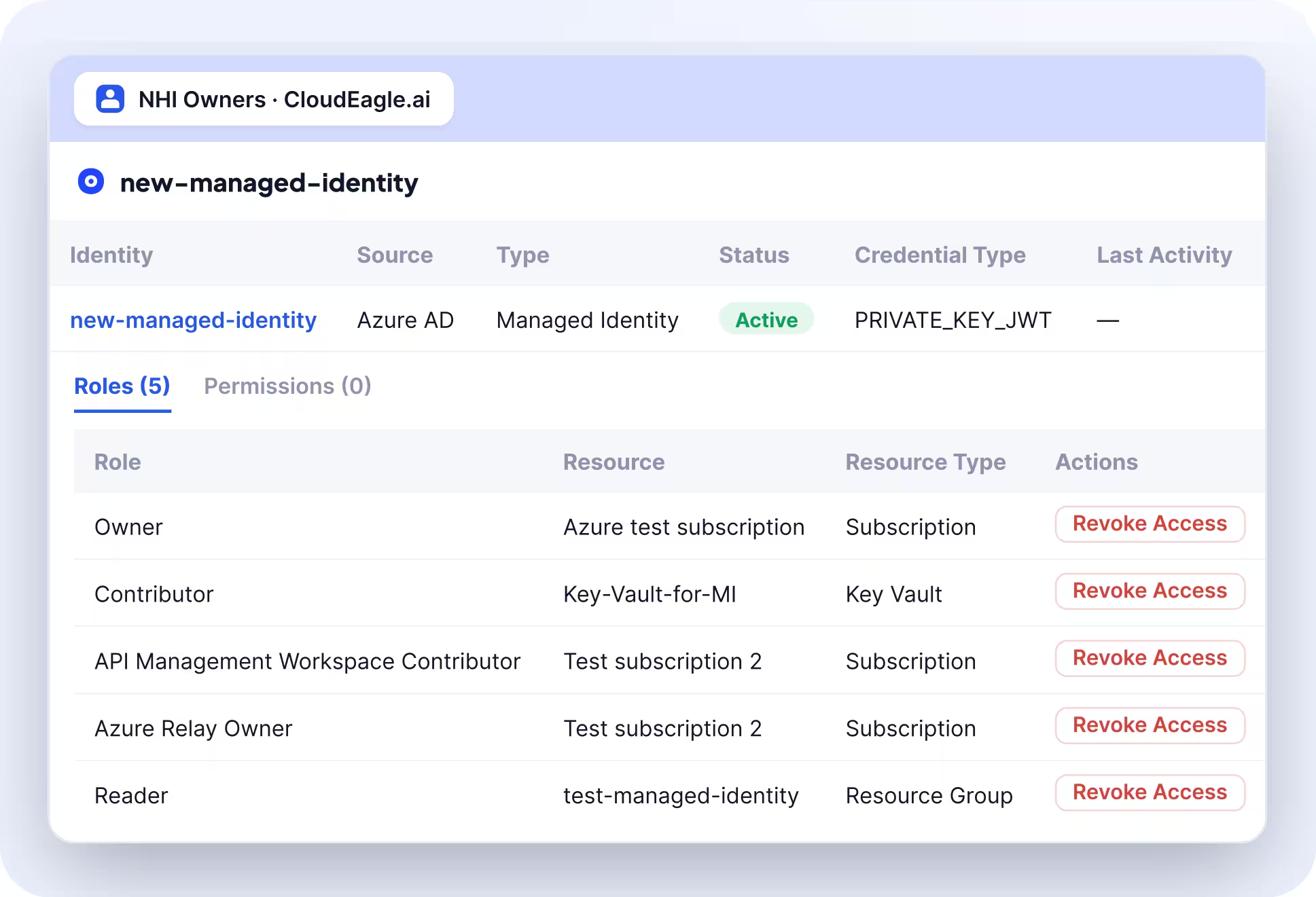
- Owner assigned per identity, or flagged as unowned
- Credential type and last activity visible at a glance
- Status tracked per identity, active or inactive
- One console instead of checking each identity provider separately
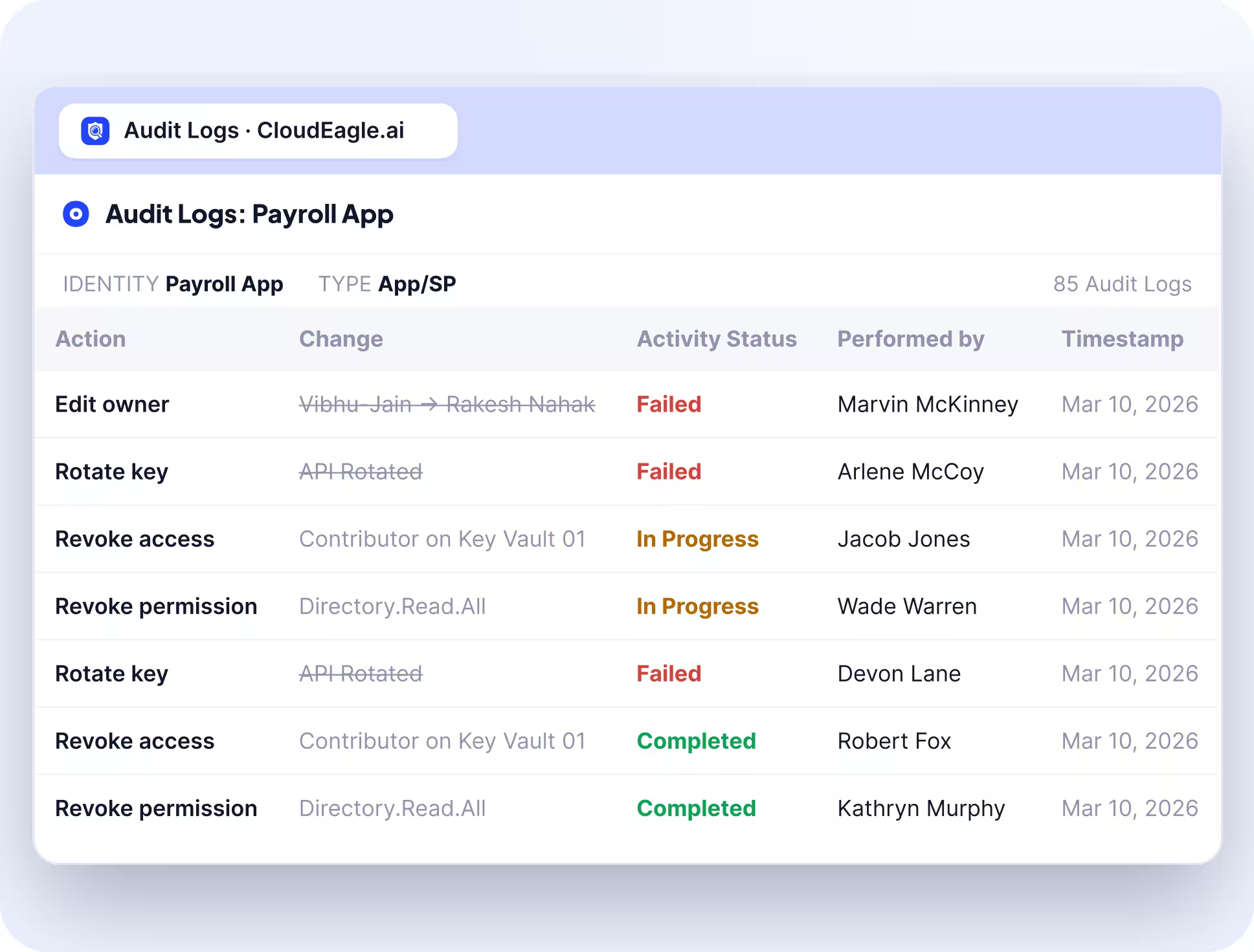
Act on What You Find, With a Full Audit Trail
- Rotate keys, revoke access, revoke permissions, and reassign owners from the same console
- Every action tracked with status: completed, in progress, or failed
- Full audit log per identity, showing what changed, who performed it, and when
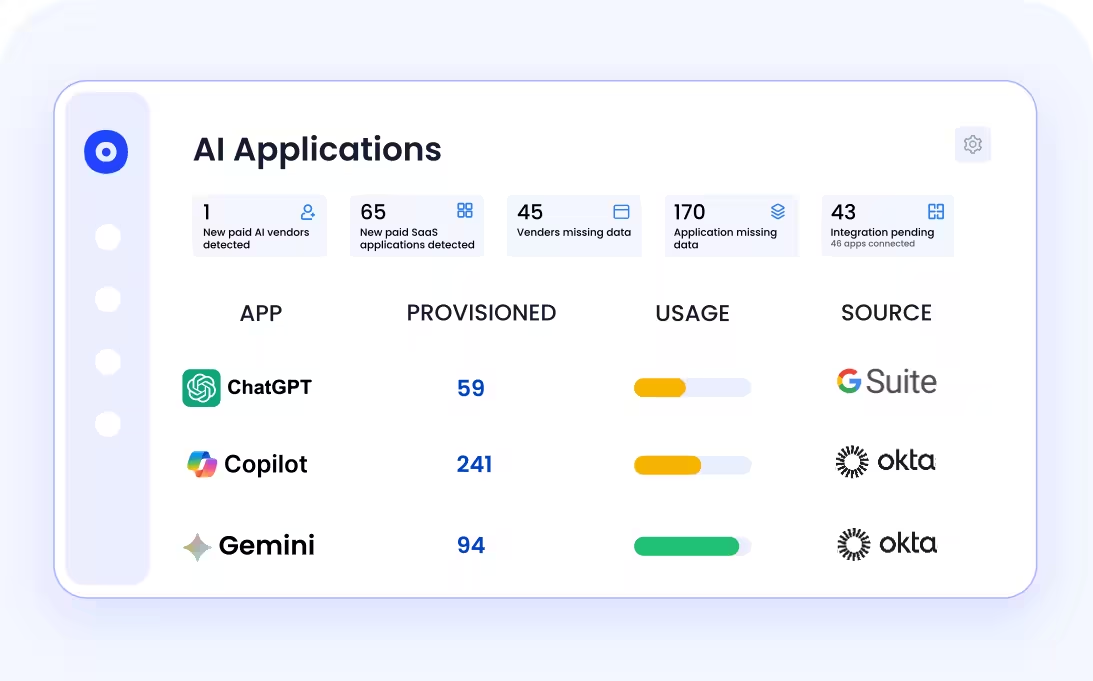
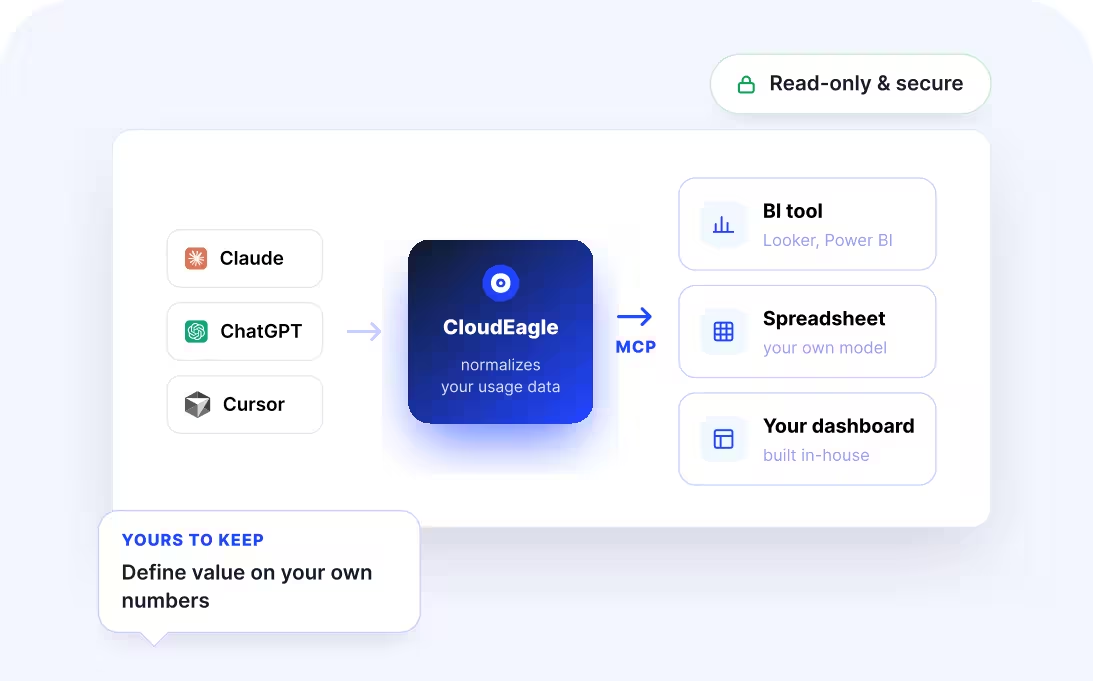
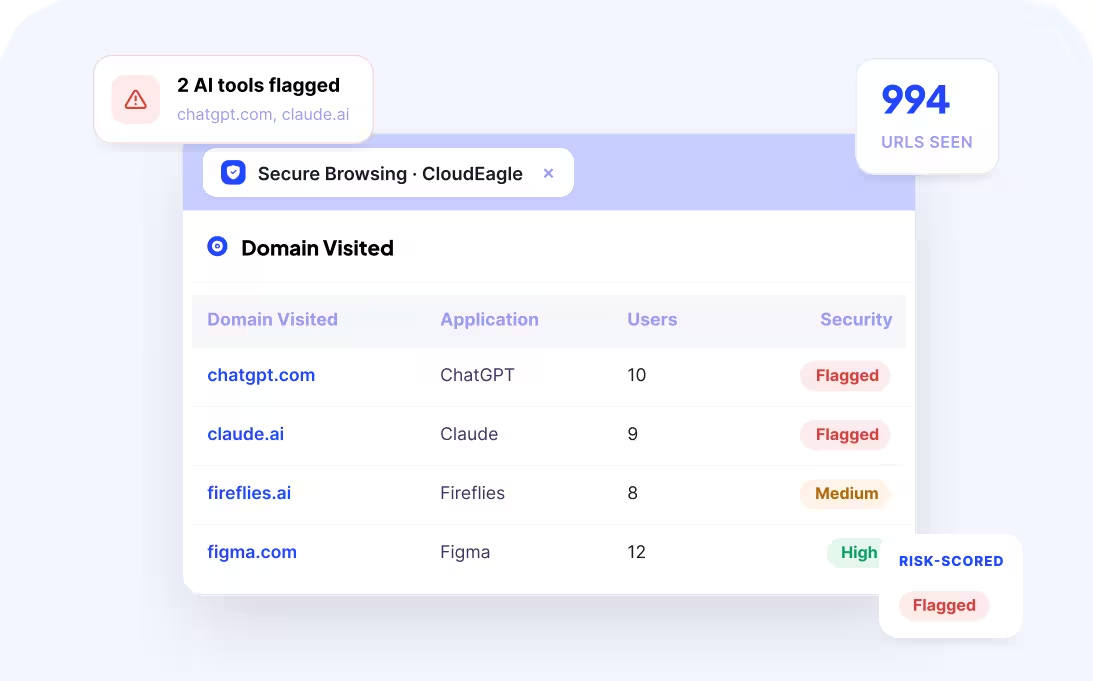
Govern Every AI and NHI From One Command Center
Frequently Asked Questions
Any identity that isn't a person: service accounts, API keys, OAuth service apps, bots, and AI agents. They're created by integrations and automations, and they hold real access to your systems.
Azure AD and Okta today, pulled automatically into a single registry.
Managed identities, service identities, OAuth service apps, and API tokens, each categorized by type and environment.
It flags identities inactive for 90+ days, those holding admin permissions, and those with access to multiple resources, so teams prioritize real exposure rather than working through a flat list.
An identity with no owner is standing access nobody is accountable for. CloudEagle.ai surfaces owner per identity, and flags the ones with none.
Yes, and complementary. Access reviews govern employees. NHI Management extends the same visibility and accountability to machine identities that reviews typically skip.
Agentic AI accelerates it. Every new agent can create its own credentials, so machine identities are multiplying faster than any manual process can track.
n line with CloudEagle's standard 30-minute onboarding, once your identity providers are connected.
Machine Identities Are Multiplying. Get Ahead of Them.
AI Governance & Shadow IT Best Practices Checklist
