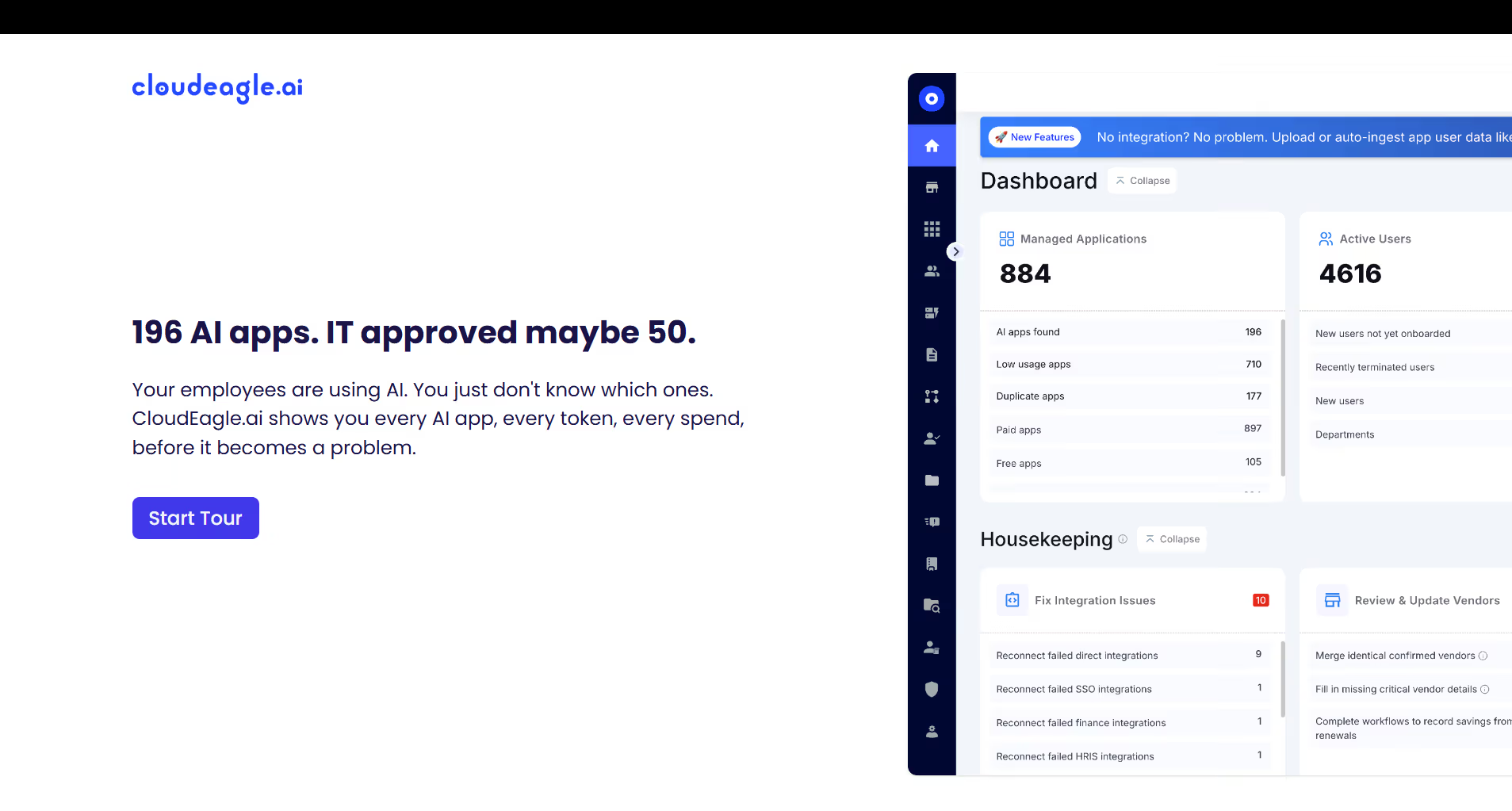







Your Data Is Walking Into AI Tools You Never Approved
Imagine: Someone in support pastes a customer's personal data into a free AI chatbot to draft a reply. An engineer drops proprietary code into an assistant nobody vetted. None of it goes through IT, none of it is logged, and the first you hear of it is when something leaks. And it is happening every day.
Without CloudEagle.ai
With CloudEagle.ai
Leaders Who Govern What Their Teams Feed Into AI


Everything You Need To Govern AI At The Browser
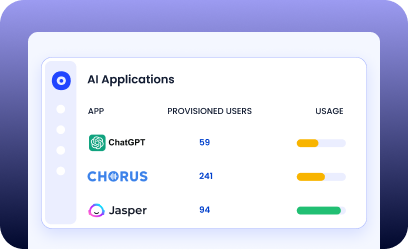
See Every AI Tool Your Team Uses
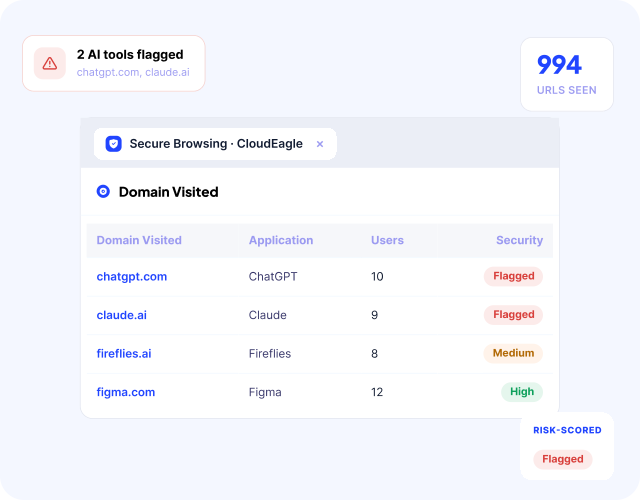
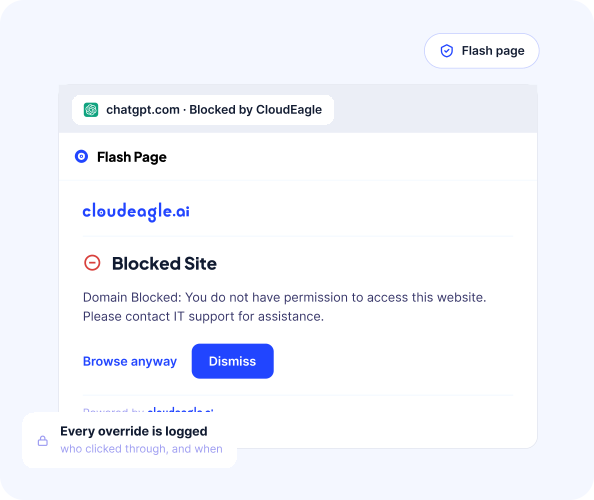
Catch Unapproved AI Tools The Moment They Open
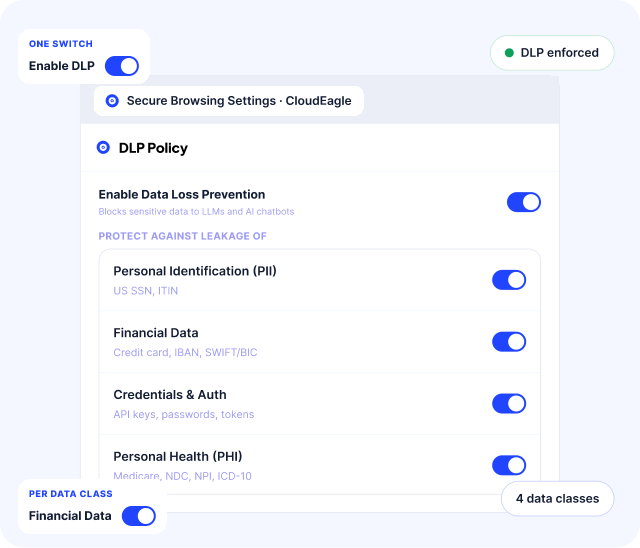
Block Sensitive Data Before It Is Entered
.svg)
Prove It, For Every Audit And Review
Plug Governance Into How Your Team Already Works
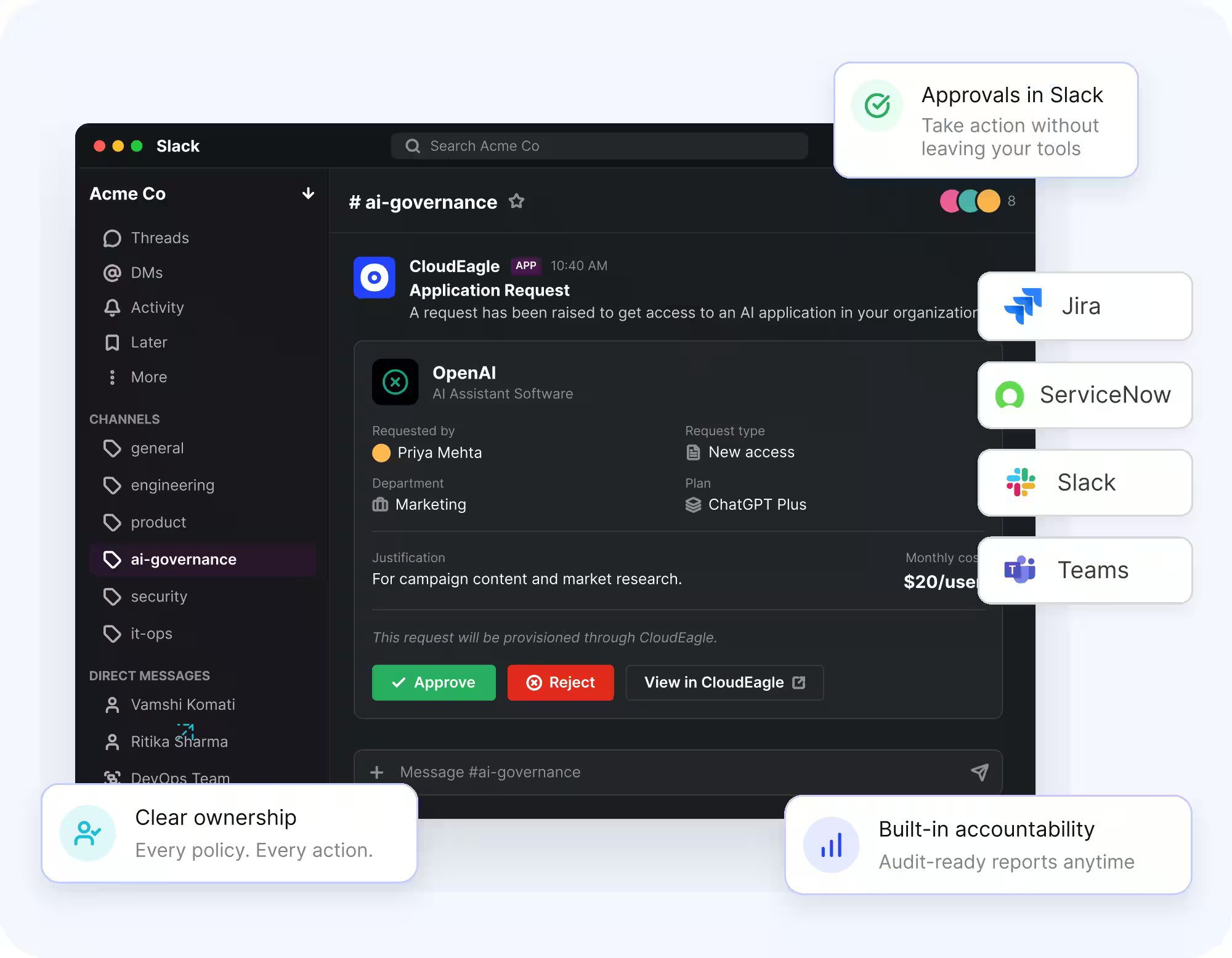
Manage Your Entire AI And SaaS Stack From One PlaManage Your Entire AI And SaaS Stack From One Platformtform
.png)
Frequently Asked Questions
It governs which AI tools your team can use and what data they can put into them. At the browser, it discovers every AI tool in use, warns and redirects users away from unapproved ones, and blocks sensitive data from being entered, with a full log for audit.
The browser plugin inspects what a user is about to enter into an AI site and blocks PII, credentials, financial, and PHI before it is submitted. You set the policy globally, or per tool and per data type.
Both, depending on how you set it. The default is soft governance: a flash-page warning that explains the policy and redirects to an approved tool, which changes behavior without a hard wall. Where you need it, you can enforce a harder block through the plugin and firewall integration.
Any AI tool reachable in the browser, sanctioned or shadow, including ChatGPT, Claude, Gemini, Cursor, and Copilot, plus the long tail of tools employees find on their own. It is not limited to a preset list.
We correlate browser activity, SSO, firewall logs, and finance data against a proprietary AI catalog, so a new AI tool shows up within hours of someone using it, not at the next audit.
No. It is scoped to AI tool access and what data is entered into AI sites, not general browsing. For privacy-sensitive teams, you can rely on firewall-log analysis instead of the plugin. Governance, not surveillance.
You can run on firewall logs and Microsoft Defender instead. You give up some of the in-the-moment warning and data blocking, but you keep discovery and monitoring.
No. We govern which tools are used and block sensitive data from being entered, at the browser. We do not do prompt-level inspection of everything typed into an AI tool.
A CASB governs network traffic broadly. We focus on AI at the point of use in the browser: which AI tools are allowed, what data can go into them, and a redirect to the approved alternative, tied to the same platform that governs your SaaS and identities.
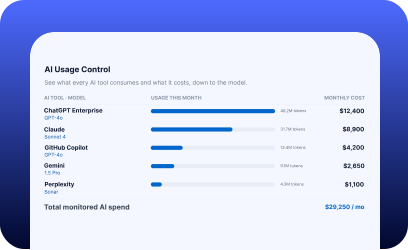
AI Policy Control governs what goes into AI and which tools are allowed. AI Usage Control governs what your AI consumes and what it costs. Both live in the same platform as your SaaS, identity, and governance.
Prevent Shadow AI and Mitigate Risk With Confidence
AI Governance & Shadow IT Best Practices Checklist
